
If you find yourself overeating after a workout, consider reducing your next meal or snack. To avoid gaining weight while exercising, it’s essential to maintain a healthy diet and monitor calorie intake. Lastly, post-workout soreness may tempt some individuals to reach for unhealthy foods to alleviate the discomfort, resulting in weight gain. Firstly, exercise burns more calories than a sedentary lifestyle, so if you’re not mindful of your food intake, you may consume more calories than you burn.
Clinical Trials for Diet, Physical Activity, & Weight Management
Popular diet culture might make it seem like joint flexi you need to lose weight to be healthy, but experts have found that’s not the case. Finally, by burning extra calories and increasing your metabolic rate, regular physical activity allows you to have more flexibility with your diet, making weight loss more enjoyable and less restrictive (15). An easy way to manage calorie intake and promote weight loss without counting calories is to focus on eating whole, minimally processed foods that are high in fiber, protein, and healthy fats (4, 5, 6). For many people, this is easier than trying to burn 500 calories each day from exercise. For example, if you’re aiming for a daily calorie deficit of 500 calories, you could consume 400 fewer calories (80%) by eating lower calorie dishes, smaller portion sizes, and fewer snacks. This may be why the 80/20 rule has become popular, as it states that weight loss is the result of 80% diet and 20% exercise.
Find a healthcare provider
What looks simple on paper gets tricky in practice, because a crazy-hard sweat session not only torches calories and revs your metabolism but can also up your hunger quotient. While many people know that a bad diet can increase cancer risk – there is also a link to obesity. Foods rich in vitamins and minerals that possess antioxidative properties, provide our brains with the necessary nourishment, as well as protection from oxidative stress.
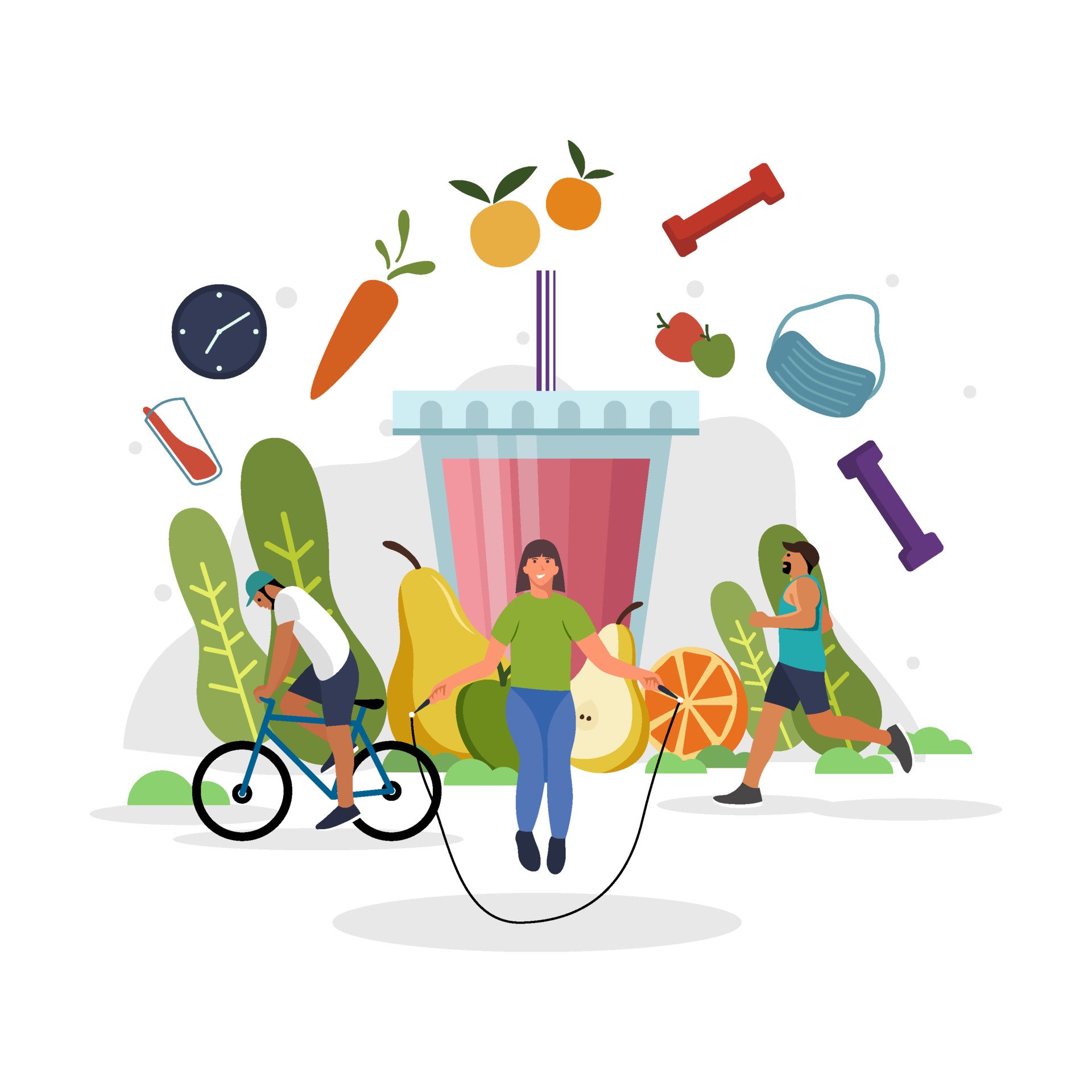
H2: Discovering an Exercise Regimen That Pleases You
As part of the National Institutes of Health, the National Institute of Diabetes and Digestive and Kidney Diseases (NIDDK) offers this content as a service. Approaches for adult obesity treatment focus on lifestyle changes. The priority is to return to your routine as quickly as possible.
Eating right and healthy food allows us to skim off body fat, feel more energetic, and get rid of the risk of illness. The current trend focuses on the importance of a healthy diet, the food we intake should nourish our body properly. The benefits of a healthy diet and fitness exercise are great when it comes to maintaining total mind and body wellness. Eating healthy food and opting for fitness exercise these two things that go hand in hand to ensure that our body works at optimal levels, and revitalize the energy while doing workouts or during your fitness journey. The importance of a healthy diet comes first on our fitness list because eating a healthy diet rich in protein, fiber, minerals, and vitamins is essential. Consult with a professional to design a personalized and realistic plan that supports a healthy lifestyle.
Developing an optimistic attitude toward exercise and diet can assist people in overcoming typical challenges like a lack of motivation, thus enhancing their commitment to healthy practices. By prepping nutritious snacks and planning meals in advance, individuals can steer clear of unhealthy options and maintain focus on their objectives. Choose an enjoyable and engaging activity, whether it be weightlifting, dancing, or walking. This may involve determining how many days each week to work out and organizing meals for the upcoming week. Keep in mind that the process of losing weight is a journey that requires time and effort to yield results. Consequently, a nutritious diet can enhance exercise outcomes by supplying essential nutrients for optimal recovery and performance.
By maintaining a well-rounded diet, individuals can obtain necessary nutrients and calories while steering clear of junk food or nutritionally poor options. An appropriate diet must supply all required nutrients without exceeding the advised daily calorie limit. A specific quantity of calories and nutrients is essential for maintaining human health. This article examines the latest dietary guidelines and explains how to create a balanced diet. Due to advancements in science, dietary recommendations change, making it difficult to keep up with current guidelines and understand what to eat. Please be aware of the last review or update date indicated on all articles.